Off-Grid Reliability: Understanding Water Wells and Barn Infrastructure in Denison, TX
Off-Grid Reliability: Understanding Water Wells and Barn Infrastructure in Denison, TX
When you buy a standard house in a suburban North Texas neighborhood, city infrastructure handles the heavy lifting. You turn the faucet and water comes out. You flush the toilet and waste disappears. You plug in an appliance and the electrical grid handles it.
When you scale up to a 25 plus acre working homestead or horse property in Grayson County, that equation changes. Reliability is not something you buy from a city municipality. It is something you build into the dirt.
For buyers looking to upgrade their acreage locally or escape the Dallas metroplex, understanding rural infrastructure is the key to protecting your investment. Here is a no-nonsense guide to evaluating water wells and barn infrastructure before you sign a contract.
1. Water Redundancy: Why Two Wells Matter
Horses, livestock, and agricultural property require immense amounts of water. A single mature horse can easily drink 5 to 10 gallons of water a day. That number goes up significantly during a scorching North Texas July. If you are running cattle or irrigating pastures, your consumption skyrockets.
Relying on a single water source out in the country is an operational risk. If a single pump goes down or an electrical storm fries your control box, your entire operation grinds to a halt while you wait for a service technician.
Look for properties that feature true water redundancy. Having two functional water wells gives you a massive advantage. First, you get separation of use. You can dedicate one well entirely to the main residence for pristine household use while routing the second well directly to the barn, automatic waterers, and stock tanks. Second, you get a built-in backup. If one well requires maintenance, you can cross-tie your systems so neither you nor your livestock ever go thirsty while repairs are being made.
2. Evaluating the Barn: Square Footage vs. Useable Footprint
A lot of listings boast a barn, but a simple metal shell with a dirt floor is not a working asset. A high-functioning property requires infrastructure built to handle weather, equipment storage, and animal safety simultaneously.
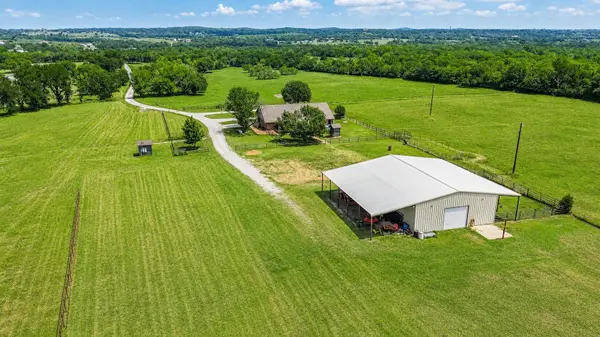
When you look at a shop or barn setup, such as a massive 2,000 square foot barn shop, you need to evaluate how the footprint is split. Look for a layout that offers a secure workshop space. This means concrete flooring, heavy duty electrical wiring, and secure locking doors to protect expensive tools, tractors, and side by sides.
You also need dedicated, dry, well ventilated area to store round or square hay bales off the damp ground to prevent mold. Finally, look for an integrated livestock shell. Covered stalls should open directly out into pasture turnouts. Your animals should be able to seek shelter from unpredictable North Texas storms without being trapped in an unventilated box.
3. Fencing and Access: The Logistics of Big Equipment
Infrastructure does not matter if you cannot get to it safely. When touring land, always evaluate the entry points and perimeter security from a logistical standpoint.
Look for wide gravel driveways with electric entry gates. A standard residential driveway will crumble under the weight of a heavy truck hauling a 30 foot gooseneck trailer or a commercial hay delivery.
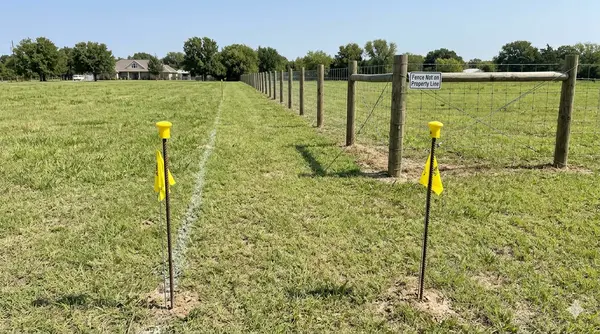
You should also check the fencing durability. Look for properties that combine pipe fencing at the main structural hubs and cross fencing throughout the acreage. This allows you to rotationally graze your livestock without worrying about horses challenging weak fence lines.
The Reality Check
Do not buy acreage based on the kitchen countertops alone. In rural real estate, the true value sits in the reliability of the utilities, the quality of the outbuildings, and the peace of mind that comes with a well engineered layout.
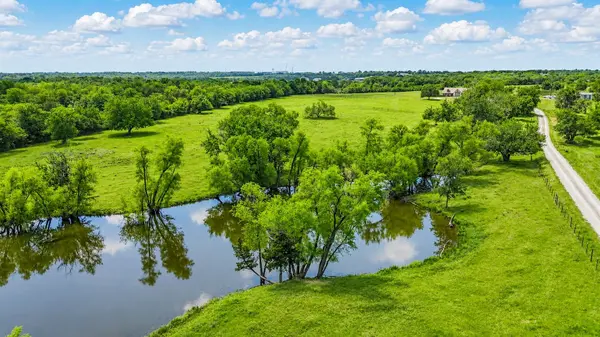
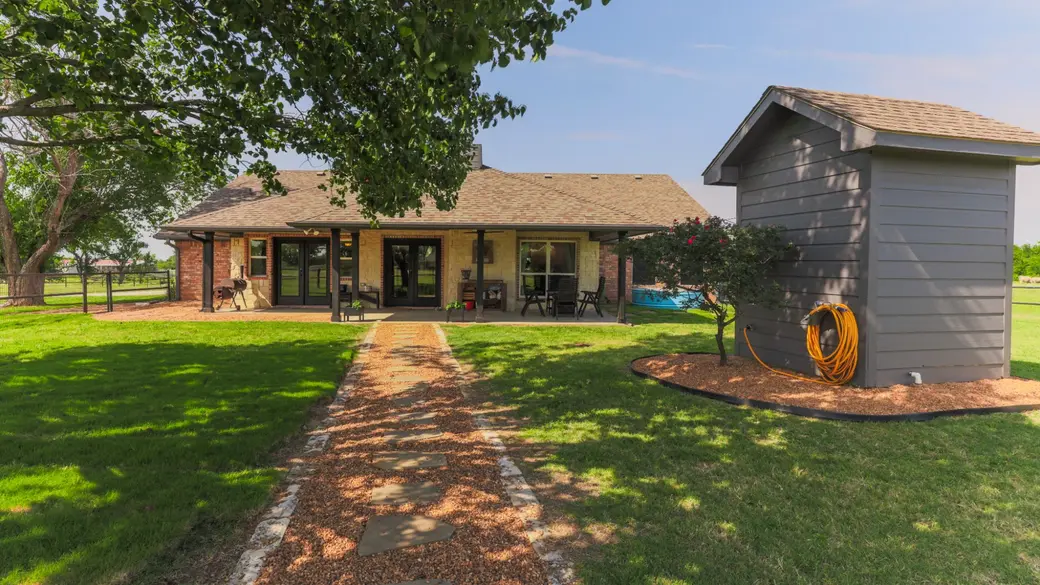
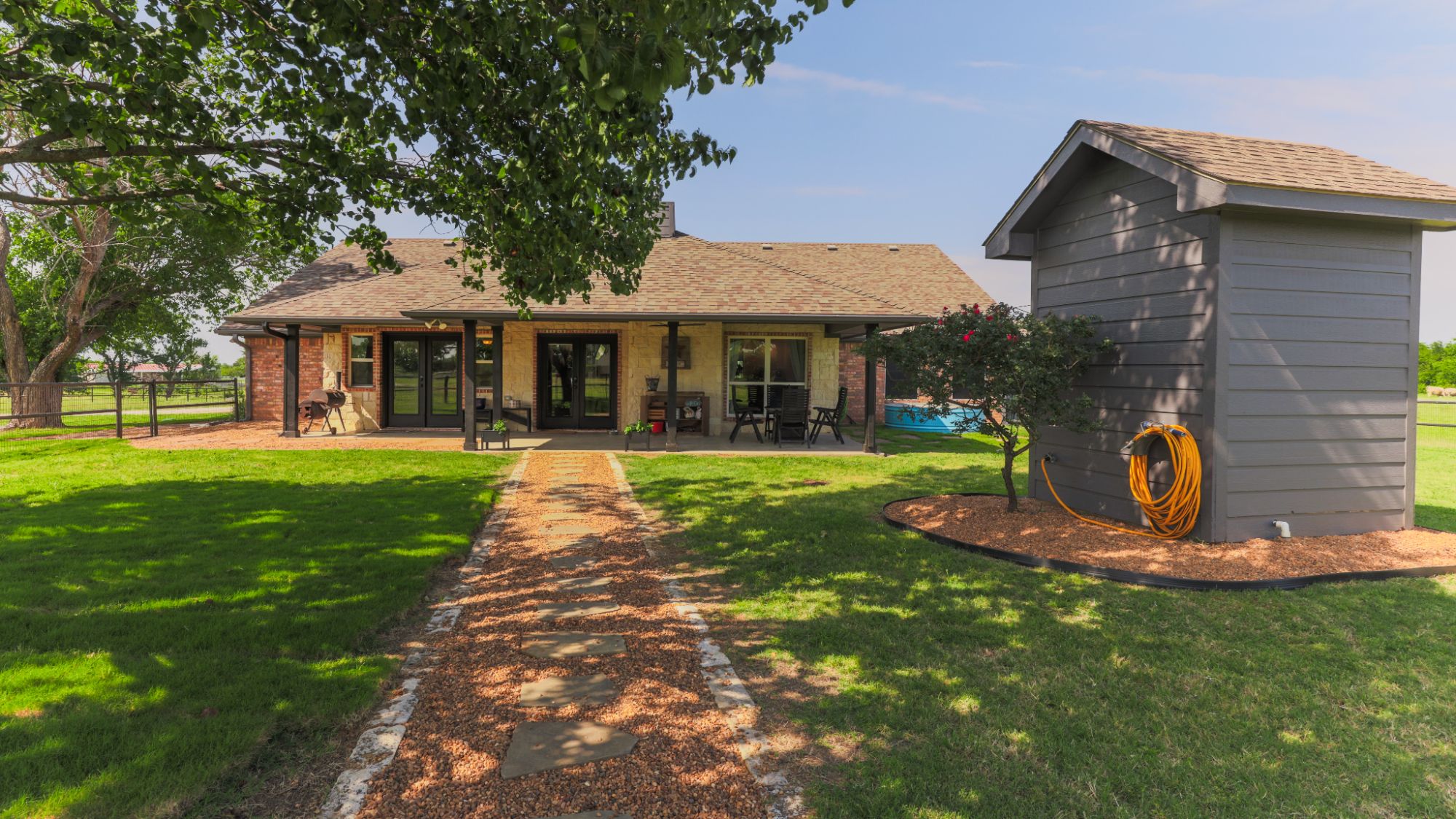
If you want to see a textbook example of functional infrastructure, look no further than 426 Heironimus Lane in Denison. Located in Pottsboro ISD at the dead end of a private road, this 26 acre ranch features a solid 4 bedroom brick home, two independent water wells, a massive 2,000 square foot barn shop, and three covered stalls with immediate turnouts. It is currently Ag exempt and completely optimized for long term self reliance.
Want to inspect the infrastructure at 426 Heironimus Lane or talk through your rural property strategy?
Let’s walk the land together:
-
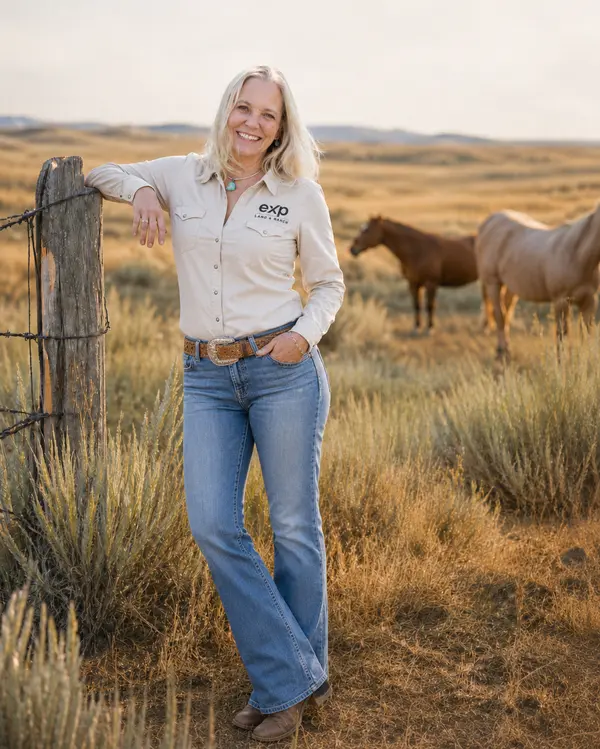
Kara Byrnes, Land & Ranch Specialist / Wildlife Land Lady
-
Brokerage: eXp Realty LLC
- Phone: 469-400-3902
-
-
Email: kara@karab903.com
Categories
Recent Posts