Who Actually Owns Your Land? Understanding Easements and Rights-of-Way
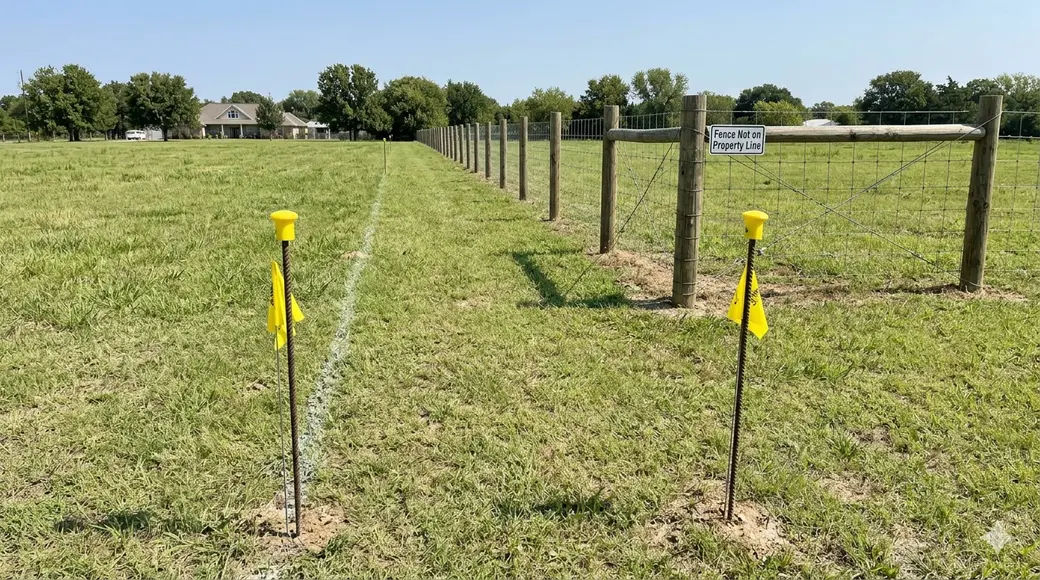
I once spent three hours arguing with a contractor who thought a fence line was the gospel truth of a property boundary. He was wrong. The fence was six feet off the line because the previous owner didn't want to clear the brush near the creek.
In North Texas, what you "own" on paper and what you "control" in reality are often two different things. This is where Easements and Rights-of-Way come in.
The Legal "Guest" on Your Property
An easement is a legal right for someone else to use a portion of your land for a specific purpose. You still own the dirt. You still pay the taxes. And you still have to mow it. But you can't stop the "guest" from using it.
-
Utility Easements: These are the most common. The electric coop or the water supply corporation has a "right" to run lines across your property.
-
Access Easements: If your neighbor's 20 acres are "landlocked" behind yours, they likely have an easement to drive across your land to get to theirs.
-
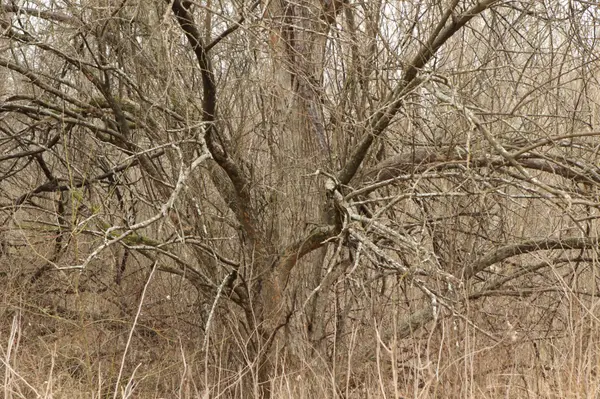
Prescriptive Easements: These are the tricky ones. If a neighbor has been using a path across your woods for 30 years without you saying a word, they might have gained a legal right to keep doing it.
The Engineering Reality: You Can’t Build There
From a Civil Engineering perspective, an easement is a "No-Fly Zone" for structures.
So, if you build a $50,000 shop or a custom pool over a utility easement, the city or the power company can legally tear it down to get to their lines. They won't ask for permission, and they won't pay for the damage.
And they have the right to trim or remove any trees that interfere with those lines. That beautiful oak you bought the house for? If it’s under a high-voltage line, its days are numbered.
The "Paper" vs. The "Ground"
I tell every client: The Survey is the most important document in your closing file. A survey doesn't just show where the corners are. It shows the "building envelope"—the actual space where you are allowed to put a house or a barn once you subtract the setbacks and easements.
So, don't trust the fence. Fences are built by people who are tired and hot, not by surveyors with lasers.
Three Rules for the Road
-
Read the Title Commitment: Look for Schedule B. It lists every easement recorded against the property.
-
Verify Access: If the property is on a "Private Road," make sure there is a recorded easement for you to use it. "Handshake deals" with neighbors don't survive a property sale.
-
Check for "Unrecorded" Use: Look for tire tracks or paths that don't match the map.
The Bottom Line
Land ownership is a "bundle of rights." Sometimes, you’ve already given a few of those sticks away to the electric company or the guy next door.
So, do the math before you dig. And if you aren't sure where the line is, call a surveyor. It’s cheaper than a lawsuit or a demolished shed.
Categories
Recent Posts