Cows or Bluebirds? Transitioning Your Texas Land Tax Valuation

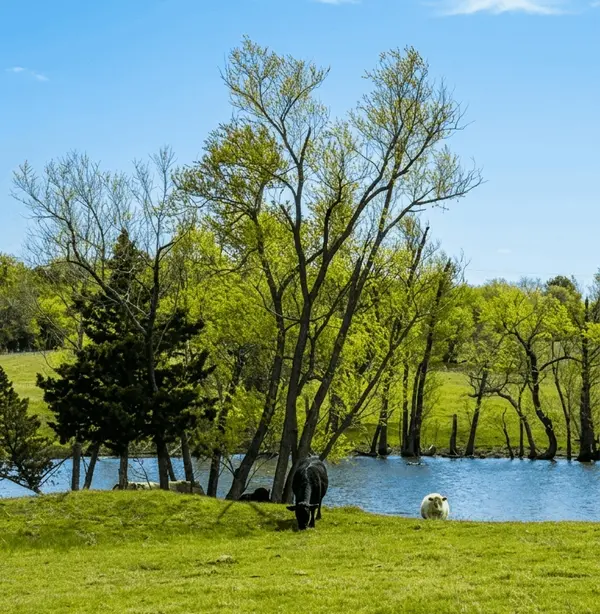
I was out checking the fence line last Tuesday when the Pyrenees puppies decided my shins were hurdles. I ended up face-first in the native grass. While I was down there, I noticed the neighbor's cows were gone, replaced by bluebird boxes.
That shift—from cattle to conservation—is one of the most misunderstood moves in Texas real estate.
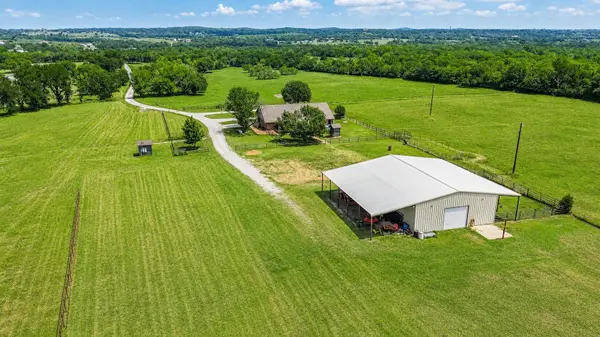
If you own acreage, you aren't looking for a "tax exemption." You are looking for a 1-d-1 Open Space Appraisal. It’s not about skipping taxes; it’s about the state valuing your land based on its production capacity rather than its market value.
The Reality of the "Ag" Requirement
Most people buy 10 acres and think they need to buy 10 cows to save on taxes.
Traditional Agriculture (Ag) requires "intensity of use." The county appraiser wants to see a profit motive. They want to see hay being cut or livestock grazing. And they have specific ratios. If the county says you need one animal unit per five acres, and you only have one lonely donkey on ten acres, you’re going to lose that valuation.
So, if you don't want to be a full-time rancher, Ag can become a hobby that costs more than the tax savings.
The Wildlife Alternative
This is where my Wildlife Management background comes in. In Texas, you can transition your land from Ag to Wildlife Management without losing your tax status.
You aren't "exempt" from work, though. You are just swapping the tractor for a pair of binoculars and a management plan. To qualify, you must perform at least three of seven specific actions:
-
Habitat Control: Brush management or prescribed burns.
-
Erosion Control: Protecting the soil from washing away.
-
Predator Management: Controlling feral hogs or coyotes.
-
Providing Supplemental Water: Maintaining troughs or ponds for wildlife.
-
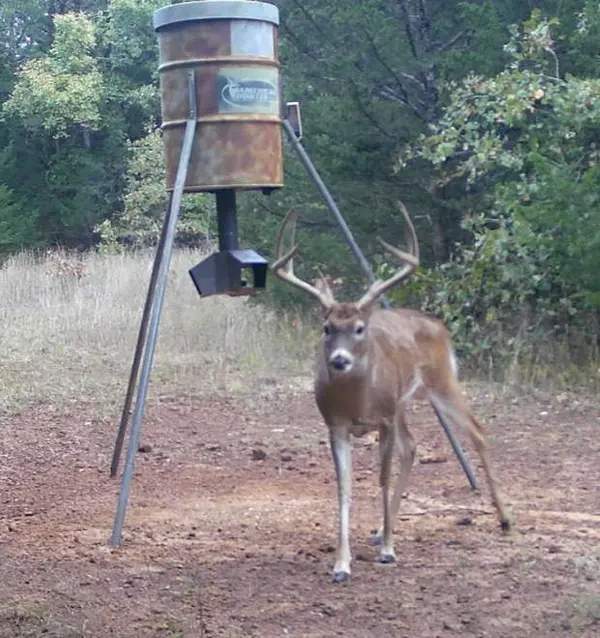
Providing Supplemental Food: Planting food plots.
-
Providing Shelters: Putting up nesting boxes or bat houses.
-
Census Counts: Documenting the species on your land.
The "Five-Year" Rule
You cannot jump straight into a Wildlife valuation. You must have a valid Ag valuation for five of the preceding seven years. So, the sequence is critical. You buy the land with an existing Ag valuation. You maintain that Ag status. And then you file a Wildlife Management Plan with the county to pivot your focus.
If you buy "raw" land that hasn't been grazed or farmed in a decade, you’re paying full market value taxes for five years before you can even apply for the lower rate.
Why Data Matters
The Central Appraisal District (CAD) is not your friend here. They are looking for reasons to put your land back at "Highest and Best Use" (full tax rate).
Wildlife Management requires a written plan and annual reports. You need photos of the nesting boxes. You need receipts for the hog traps. You need a map of the food plots.
So, treat your land like a business. Keep a log. Take photos. And remember that the heat doesn't care if you're counting cows or counting deer; the work has to get done.
Categories
Recent Posts